
Products named after their place
What is in our roots? Antep pistachio, Aydın fig, Malatya apricot, Giresun round hazelnut: geographically indicated products, meaning their origin is documented.
What does it tell us today? Knowing where what we buy comes from is the first step to seeing the work behind it. Finding the geographically indicated product of your province is an easy way to get to know local production.
The sustainability link: Local and geographically indicated products support short supply chains and the local economy; knowing a product’s origin is the basis of responsible consumption.
Try it: Everyone: once, instead of the supermarket, look for a product with a geographical indication from the province you are in (Türkiye registers local products such as Malatya apricots this way). The Local products of my city tool helps.
Source
Link: Our World in Data · Accessed: 15 November 2026
Homes built in the language of earth and air
What is in our roots? Safranbolu's timber mansions, Mardin's stone houses, Harran's beehive houses.
What does it tell us today? A place’s homes take shape according to its weather. Looking at the shade, thick walls and courtyards of old homes where you live is still a way to understand how a home stays cool or warm.
The sustainability link: Climate-appropriate building reduces the energy needed for heating and cooling; local materials and climate-adapted design are among the basic principles of sustainable building.
Try it: Young people: look at the old houses where you live (shade, thick walls, courtyard), photograph them, and ask an elder why they were built that way.
Source
Link: Our World in Data · Accessed: 15 November 2026
Worn fabric finds a new job
How was it back then? Mops from worn clothes, patchwork quilts from fabric scraps.
What does it tell us today? Asking “could this be of use?” before throwing something away is what we now call “upcycling”, at home.
The sustainability link: Reuse and recycling reduce waste and the need for new raw materials; this is the household-scale counterpart of the circular economy.
Try it: Children and families: make a cloth bag or a cleaning rag from an old T-shirt. Elders: show the young a technique you know, such as patchwork.
Source
Water reached the city from underground
How was it back then? In Gaziantep, the underground tunnels cut into the limestone bedrock that carry water into the city are called “livas”, and the structures where people reached that water are “kastels”. Some kastels are fully below ground and some partly; they were built at the water level, so the water did not have to be lifted. In the hot climate surface water would evaporate, so the water came by an underground route; the livas were used until the 1950s. In 2018 the structures were submitted to UNESCO’s World Heritage Tentative List as “The Underground Water Structures in Gaziantep: Livas and Kastels”.
What does it tell us today? Cities once lived knowing the path of their water. Today the path of the water that reaches our tap is invisible; but knowing where it comes from can be the first step towards using it with care.
The sustainability link: Knowing water sources and protecting water structures is part of water security and sustainable water management.
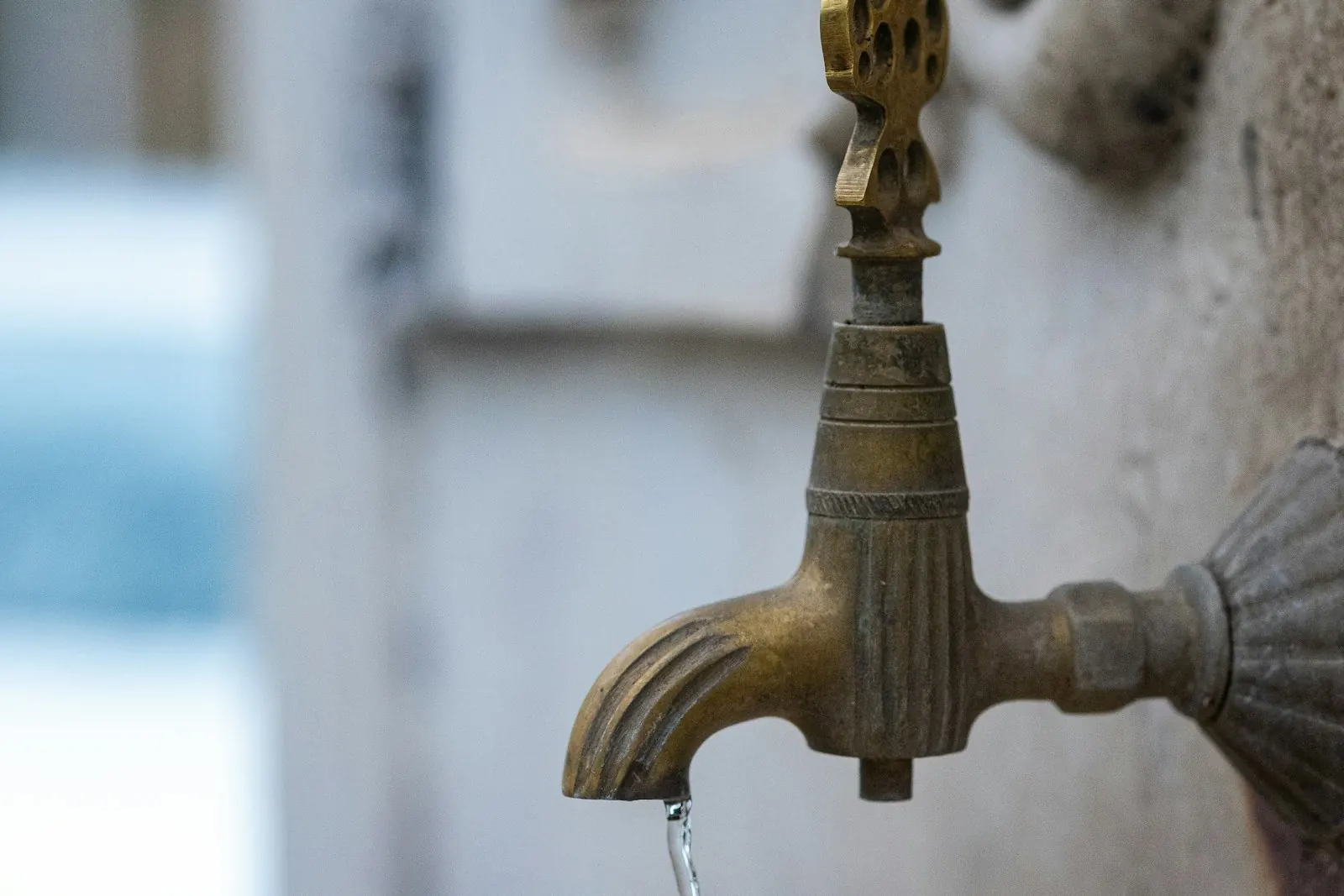
Try it: Young people: find an old fountain, well or water structure in your city and learn when it was in use. Families: find out together which source your home’s water comes from.
Source
Link: UNESCO Tentative List 6345 · Accessed: 16 November 2026
Soap from laurel and olive oil
How was it back then? Hatay Defne (Laurel) Soap is a registered indication of origin at TÜRKPATENT, number 219. Its fat base is made only of laurel-fruit oil and olive oil. The laurel fruits are gathered from September to December, boiled and pressed, and the oil is turned into soap with olive oil, then rested for 3 to 6 months. The recipe also includes caustic soda and salt; so this is not “just a natural plant” but a soap made by a named method.
What does it tell us today? A local product can be recorded with its name and method. Today too we can ask what a product is made of, where and how; reading the label is the first step.
The sustainability link: Local production based on plant oils and clear knowledge of a product’s ingredients support more informed, responsible consumption.
Try it: Everyone: read the label of the soap or cleaner you use; look at its ingredients and where it comes from. The Turkish-language Label detector helps with this.
Source
Link: Registration document (PDF) · Accessed: 16 November 2026
Water from underground in Van: qanats (kehriz)
How was it back then? A kehriz (qanat) is an old system that carries water underground through channels to cities and fields. The qanats of Van are said to go back to the Urartian period (9th century BC); according to one study there were once about 54, of which 30 are documented and only 5 still partly work. Because the water flowed underground, it was carried without evaporation or pollution.
What does it tell us today? The authors write that reusing these structures as low-energy green infrastructure could be possible and that they need protection. An old water structure can be an example of how we might protect water today.
The sustainability link: Because underground water structures carry water without evaporation and with little energy, they can offer guidance for water management in the age of climate change.
Try it: Young people: find out from the provincial culture directorate or municipality whether there is an old qanat, cistern or fountain where you live.
Source
Link: dergipark.org.tr · Accessed: 16 November 2026
Felt from sheep’s wool
How was it back then? Felt is made from sheep and lamb wool and gives strong protection against the cold. Floor coverings, vests, booties, hats, a baby’s cradle and even the trough a sheep drinks from can be made of felt. The report names felt-making among the trades at risk of disappearing. One felt master registered with the Ministry of Culture and Tourism has produced felt in her workshop for years and trains women in the village.
What does it tell us today? Turning a natural material into something that lasts for years is the opposite of a use-and-throw-away way of thinking. Looking at what a product is made of and how long it will last may be the question this craft leaves us today.
The sustainability link: Production from natural, long-lasting material such as wool stands for durable products against a throwaway system; a long-lived product reduces waste.
Try it: Everyone: look at what a garment or floor covering you buy is made of: wool, cotton, synthetic? Read the label together.
Source
Link: www.sozcu.com.tr · Accessed: 16 November 2026
A copper pot is not thrown away; it is re-tinned
How was it back then? Copper pots wear with use, and unless their inside is coated with tin they are not safe for cooking. Tinsmiths (kalaycı) therefore went from neighbourhood to neighbourhood and village to village, heating the pots over a fire and laying a fresh layer of tin on the surface. The same pot could be used for generations. Today, with few apprentices coming up, the trade survives in many Turkish cities only through its last masters.
What does it tell us today? How long a thing lasts depends on someone being able to repair it. Knocking on the door of a repairer or a craftsperson keeps both the object and the skill alive.
The sustainability link: Renewing a pot instead of buying a new one reduces the need to mine and produce new metal; repair is the oldest form of the circular economy.
Try it: Everyone: before throwing out an old copper pot or a broken object, ask a craftsperson whether it can be fixed. Young people: find out whether a traditional craftsperson still works in your city.
Source
Link: DergiPark article · Cumhuriyet · Accessed: 20 November 2026
The wool of an old quilt fluffs up again
How was it back then? Wool-filled quilts flatten and harden over the years. Quilt-makers (yorgancı) and wool carders (hallaç) would tease and fluff this wool, spread it into a new cover and stitch it again. Craftspeople say that today, too, customers bring old filling from home to be reused. Carders once walked the streets with their large bow-shaped tools on their backs.
What does it tell us today? The quilt on our bed can also be a “renew, don’t throw away” object. Interest in wool quilts is rising again in some Turkish cities, but there are fewer and fewer craftspeople.
The sustainability link: Reusing the same wool reduces the need for new raw material and cuts waste; natural fibres last long and are renewable.
Try it: Families: if there is a wool quilt or pillow at home that has not been used for years, ask a quilt-maker whether it can be renewed before you throw it away.
Source
Link: Yeni Asır · Gazete Vatan (Eskişehir) · Gazete Vatan (Çorum) · Accessed: 20 November 2026