
Welcoming spring together
How was it back then? Hıdırellez is a spring celebration that welcomes the awakening and abundance of nature. In 2017, through a joint file from Türkiye and North Macedonia, it was inscribed on the UNESCO Representative List of the Intangible Cultural Heritage of Humanity.
What does it tell us today? We can turn a celebration into a chance to connect with nature: a table shared under a tree, a small sapling, a clean-up done together.
The sustainability link: Welcoming the season in nature strengthens our tie to it; the wish to protect the environment often grows first from this tie.
Try it: Families and neighbours: meet under a tree on a spring day and share food. Clubs: add a small clean-up or sapling meeting.
Source
Doing a job together
How was it back then? Imece is when neighbours voluntarily join hands to do a job that a person or the community needs. It is used for field work, building a house, or making a village road or fountain. It weakened with urbanisation, but it still goes on in some villages today.
What does it tell us today? There are still jobs that can be done together in a building, a housing estate or a neighbourhood: the garden, the stairwell, balcony plants. Work done together gets lighter and brings neighbours closer.
The sustainability link: Imece is a form of solidarity in which resources and labour are shared; social sustainability is supported by such shared ways of working.
Try it: Children: help a neighbour with a small job. Neighbourhoods and housing blocks: do a shared job together (garden, stairwell, balcony plants).
Source
Link: Yücel and Baki (2020) · Accessed: 15 November 2026
Carrying the summer table into winter
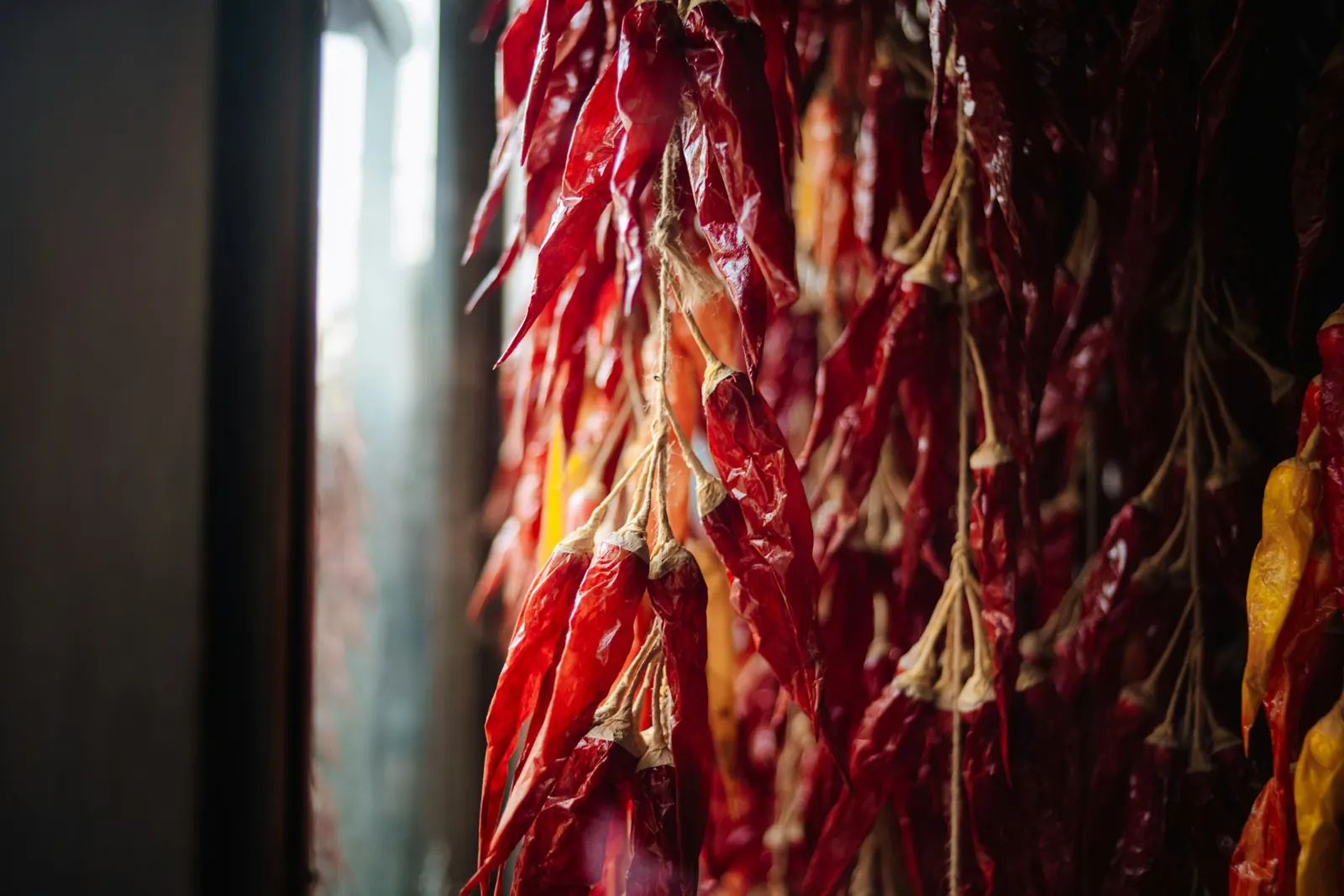
How was it back then? Winter preparations such as preserves, pickles, tarhana and drying let seasonal produce be eaten all year and help reduce waste. So what we now call a “zero-waste kitchen” is not a new idea in Turkish cooking.
What does it tell us today? Drying or pickling a vegetable in its season is still a tasty way to cut waste. Old recipes live again in new kitchens.
The sustainability link: Buying in season and preserving supports local, seasonal eating and the reduction of food waste.
Try it: Families: try drying or pickling a seasonal vegetable. Follow food-safety rules when preparing and storing. Elders: teach your recipe to the young.
Source
Link: Ekonomist / AA · Accessed: 15 November 2026
Water for whoever passes by
How was it back then? In Ottoman cities, fountains and sebils were built as endowments so that passers-by could drink water free of charge. Istanbul has more than 1,000 fountains. Water here was seen not as a commodity but as a shared good deed.
What does it tell us today? When we see a fountain on the street, we can remember that water is a shared good. Carrying a refillable bottle and using water with care is a way to connect to that idea today.
The sustainability link: Water is a shared asset; the fountain tradition reminds us that water is a resource belonging to everyone, and a refillable bottle reduces the need for single-use plastic.
Try it: Young people: find an old fountain where you live; read its inscription and ask an elder who had it built. Families: stop at a fountain on an outing and tell the story of the water.
Source
Link: Istanbul Tarihi (PDF) · Accessed: 15 November 2026
Making bread together, sharing it together
How was it back then? “The culture of making and sharing thin flatbread” is on UNESCO’s Representative List of the Intangible Cultural Heritage of Humanity through a joint file from several countries including Türkiye. So bread is not only something to eat but a culture made and shared together.
What does it tell us today? Bread made together becomes a table. Using leftover bread in another dish the next day is a way of keeping that table going.
The sustainability link: Using leftover bread is the plainest way to reduce food waste; a shared table strengthens social ties.
Try it: Families: try using leftover bread in another dish the next day. Elders: show the young how to roll yufka.
Source
Link: Türkgün · Accessed: 15 November 2026
Keşkek cooked together
What is in our roots? According to UNESCO, keşkek is a traditional ceremonial dish prepared for weddings, circumcisions and religious holidays. Women and men work together to cook wheat and meat in huge cauldrons, then serve it to guests. The Ceremonial Keşkek tradition was inscribed on UNESCO’s Representative List of the Intangible Cultural Heritage of Humanity in 2011.
What does it tell us today? A large table is made by a community preparing it together, not by one person. Today too, cooking a meal together is an easy way to experience neighbourliness and sharing the work.
The sustainability link: A communal meal is production made by a community with local, seasonal ingredients; cooking together keeps alive a culture of sharing and of reducing waste.
Try it: Families and neighbours: this month prepare and share a meal together; let everyone take one ingredient or one task.
Source
Link: ich.unesco.org · Accessed: 16 November 2026
To the highlands in summer, to the winter quarters in winter
How was it back then? Highland culture is a traditional way of life based on herding, with seasonal movement between summer pasture (yaylak) and winter quarters (kışlak). People go up to the highlands in spring and summer and come down to the winter quarters in autumn and winter. A yaylak is chosen to escape the summer heat and to find clean air and productive pasture for the animals. Nomadic shelters (tents, felt houses) are designed to fit with nature.
What does it tell us today? According to the source, highlands today are losing their economic role and turning into tourism, festival and summer-home areas. Living by the rhythm of the season still offers a measure different from “everything, all the time”.
The sustainability link: Herding that moves with the seasons involves resting pastures and living in harmony with nature; following the rhythm of the season is an old way of using natural resources without exhausting them.
Try it: Families: if an older relative or someone you know took part in the yayla move (taking the animals up to the summer highland pastures), ask them what it was like. Everyone: look up this season’s local products on the Local products of my city page.
Source
Link: kureansiklopedi.com · Accessed: 16 November 2026
One pot of aşure for the whole street
How was it back then? Aşure is a sweet pudding cooked in Türkiye during Muharram, the first month of the Islamic calendar, especially around its tenth day. Bowl after bowl is shared with neighbours, relatives and people in need. Wheat, chickpeas, beans, dried fruit and many other things found at home come together in the same pot. The custom carries different meanings for different communities: for some it is thanksgiving, for others remembrance and mourning; sharing is common to all of them.
What does it tell us today? Sharing a dish you cooked too much of with a neighbour is still the easiest way to keep leftover food from going to waste.
The sustainability link: Cooking in one pot and sharing uses less energy and leaves less leftover food than cooking the same dish separately in many homes; sharing is a cure for waste.
Try it: Everyone: next time you cook too much, take a plate to a neighbour or a flatmate.
Source
Link: DergiPark article · CNN Türk · Accessed: 20 November 2026