
Diyarbakır is an old city in south-eastern Türkiye, ringed by long black basalt walls. Between those walls and the river Tigris (Dicle in Turkish) lies about 300 hectares of green land: the Hevsel Gardens. The gardens are thought to be as old as the city itself. According to news reports and a study of the gardens, people have farmed here for about 8,000 years.
The city's table
Even today the gardens provide part of the food and income of the neighbourhoods near Suriçi, the historic centre inside the walls. Farmland woven this closely into a city is rare anywhere in the world. The gardens are also a home for local plants and animals.
Turning point
In 2015 "Diyarbakır Fortress and Hevsel Gardens Cultural Landscape" was added to the UNESCO World Heritage List. A cultural landscape is a place shaped by people and nature together over centuries. Not only the walls were listed, but the gardens too.
The herbs of spring
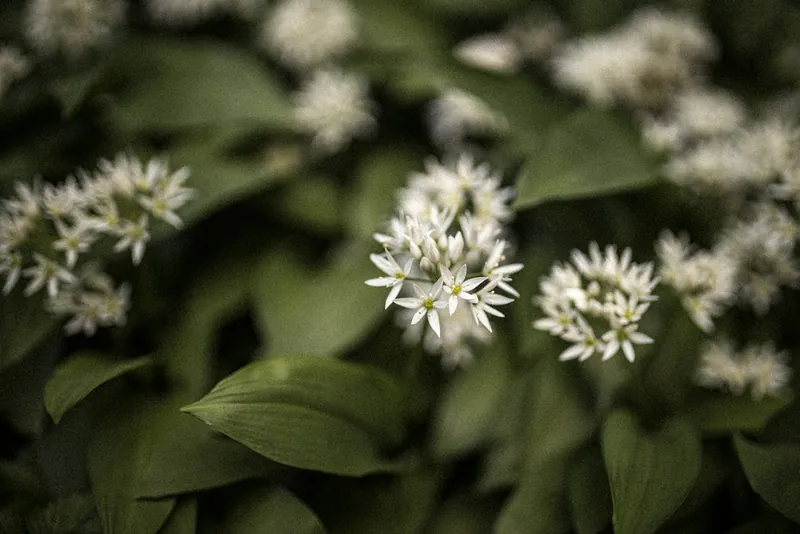
In spring, herbs come up in the gardens without anyone sowing them: wild garlic, mallow, sorrel, nettle, wild mint, wild artichoke (kenger) and many more, some known only by local names such as sirim and gulik. Every spring, the cookery department of a public adult-education centre in Diyarbakır walks the gardens with its teachers and students to gather them. From around ten kinds of herbs come some twenty-five dishes: mastava, a yoghurt soup; nettle bread; bulgur pilaf with gulik; mallow fried with egg; fried wild artichoke; and meftune, a local stew, among others.
The students cook these dishes both at the centre and at home; the aim is to bring half-forgotten recipes back into memory. One student says she learned them from her elders; herb dishes take the place of honour on the table when special guests come and at weddings. The teachers also remind everyone that it matters to tell edible herbs from poisonous ones, and that each herb is gathered and prepared in its own way.
Today
A study published in 2023 describes the gardens as still farmed but under pressure: building around them, soil and water pollution, irrigation problems and land split among many owners. The researchers say the answer lies in making room for farming in city planning.
The link to trust
A garden carries more than soil. It carries the people who know what to gather from it, and how to cook it.
What do you think?
Is there a seasonal dish you learned from your elders?
Sources
Go to source · Accessed 22 November 2026
Study of the Hevsel Gardens as urban farmland (in Turkish), Aydoğdu and Koç, ÇOMÜ Journal of Agriculture Faculty, 2023
Go to source · Accessed 22 November 2026
New policies for the Hevsel Gardens (in Turkish), OpenEdition (in a book on Diyarbakır)
Go to source · Accessed 22 November 2026
UNESCO World Heritage listing, Diyarbakır Metropolitan Municipality
Go to source · Accessed 22 November 2026
Related to this story
Do you have a story?
Tell your story →