
Our roots
Sustainability may be a new word, but the habit is very old in Anatolia, the land that makes up most of Türkiye. Our grandparents dried summer vegetables for winter, mended clothes until they wore thin and shared what they had with the neighbours. Here we remember those practices.
Easy read
- Our grandparents knew how to live without waste.
- This page shows their old, good habits.
- Each example has three parts: how it was, what it tells us today, what you can try.
- The examples are in five groups: proverbs, nature, customs, craft and order.
Looking at our roots is not about going back; it is about choosing what to carry on. Each example has three parts: how it used to be, what it tells us today, and what you could try. Our aim is not to describe the past, but to bring it into today.
 Zeki Okur
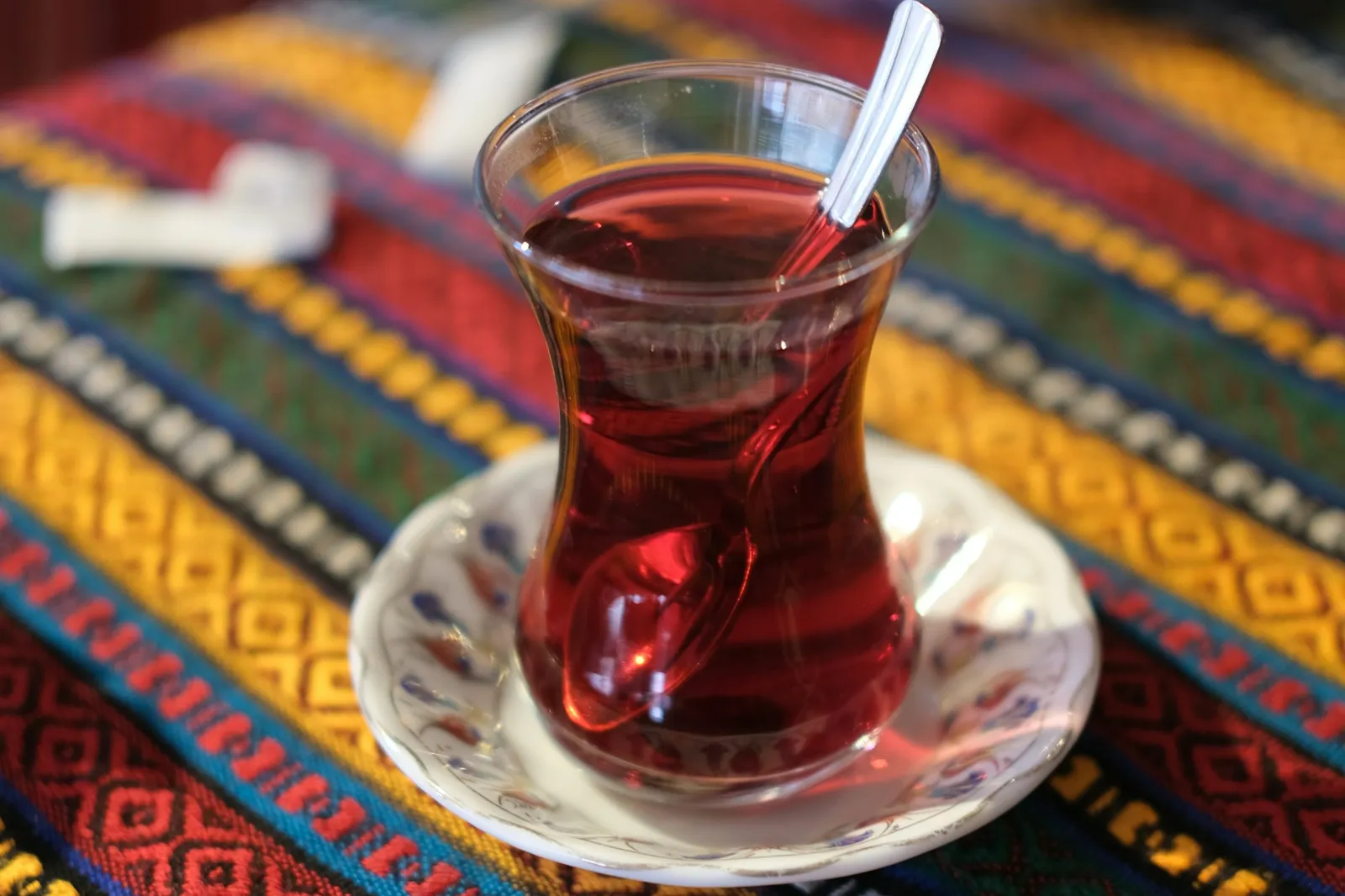
Our proverbs
Old sayings brought into today: what they meant, what they tell us now, and what you can try.
See the proverbs →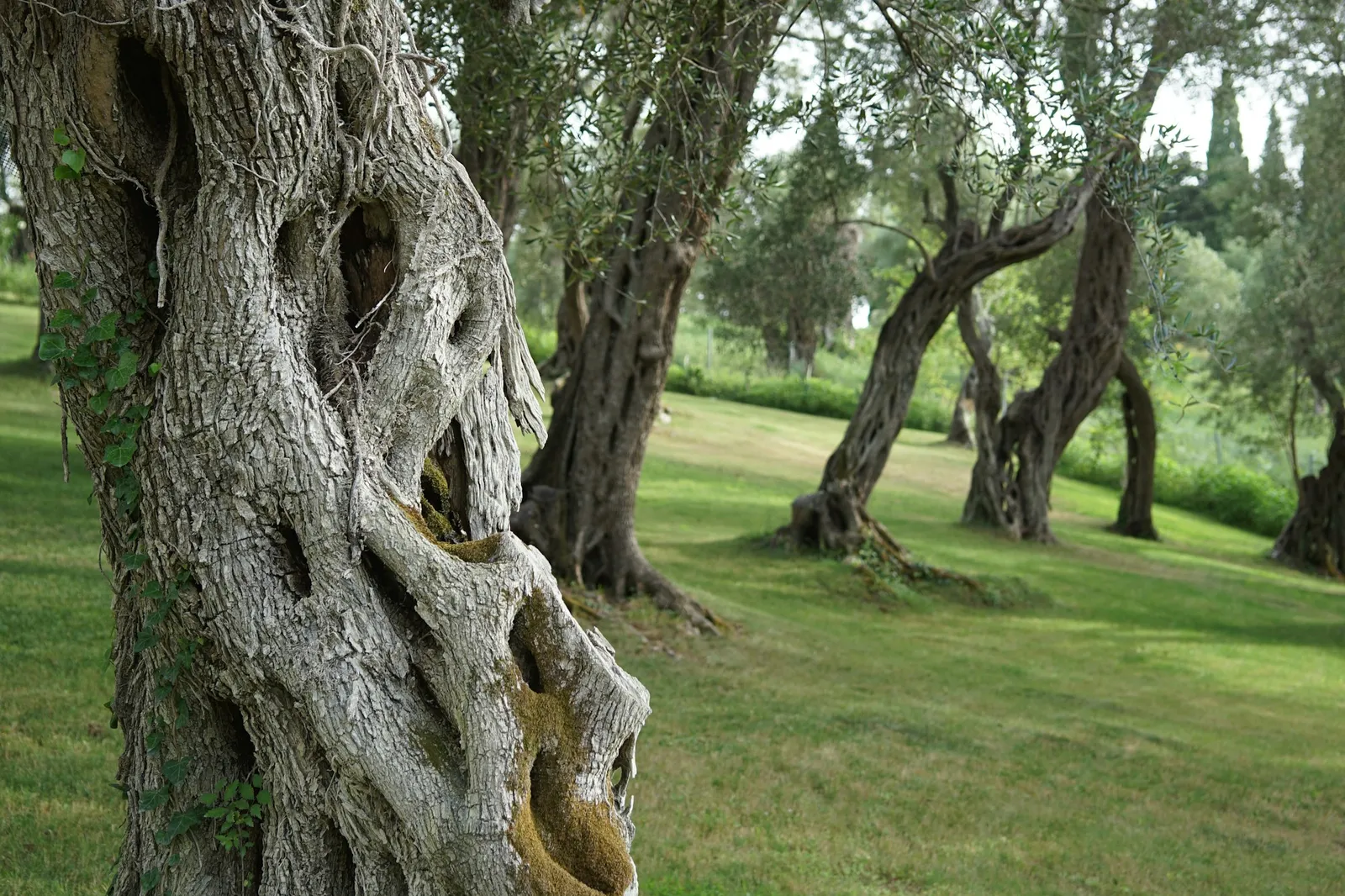 Self Taught
Love of nature and trees
Examples from Anatolia of care shown to trees, birds, soil, seeds and olives, each linked to protecting nature.
See the examples →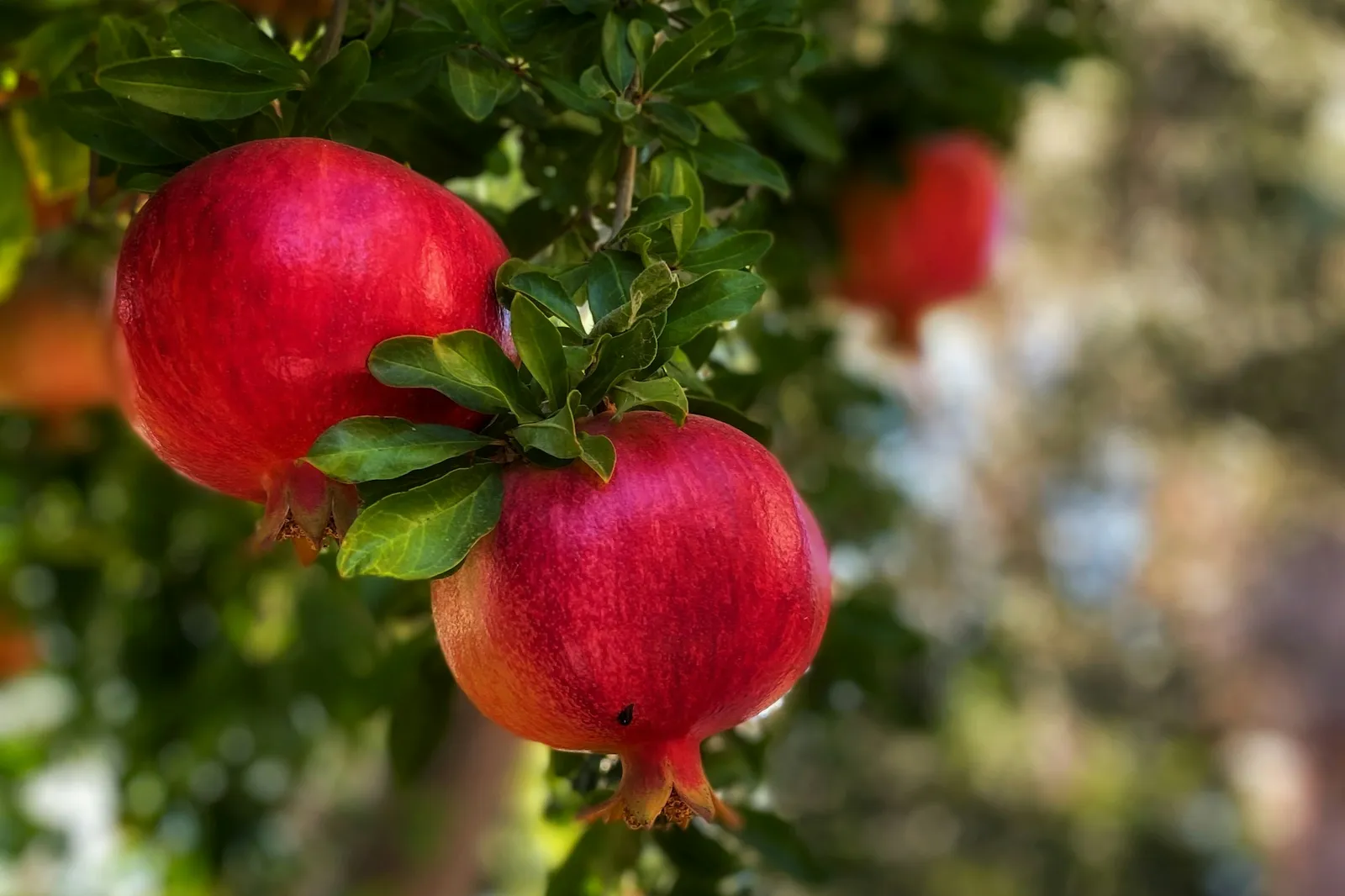 Zeynep
Our customs and traditions
Work done together, seasonal preparations, water for passers-by and shared tables, all linked to reducing waste and living together.
See the customs →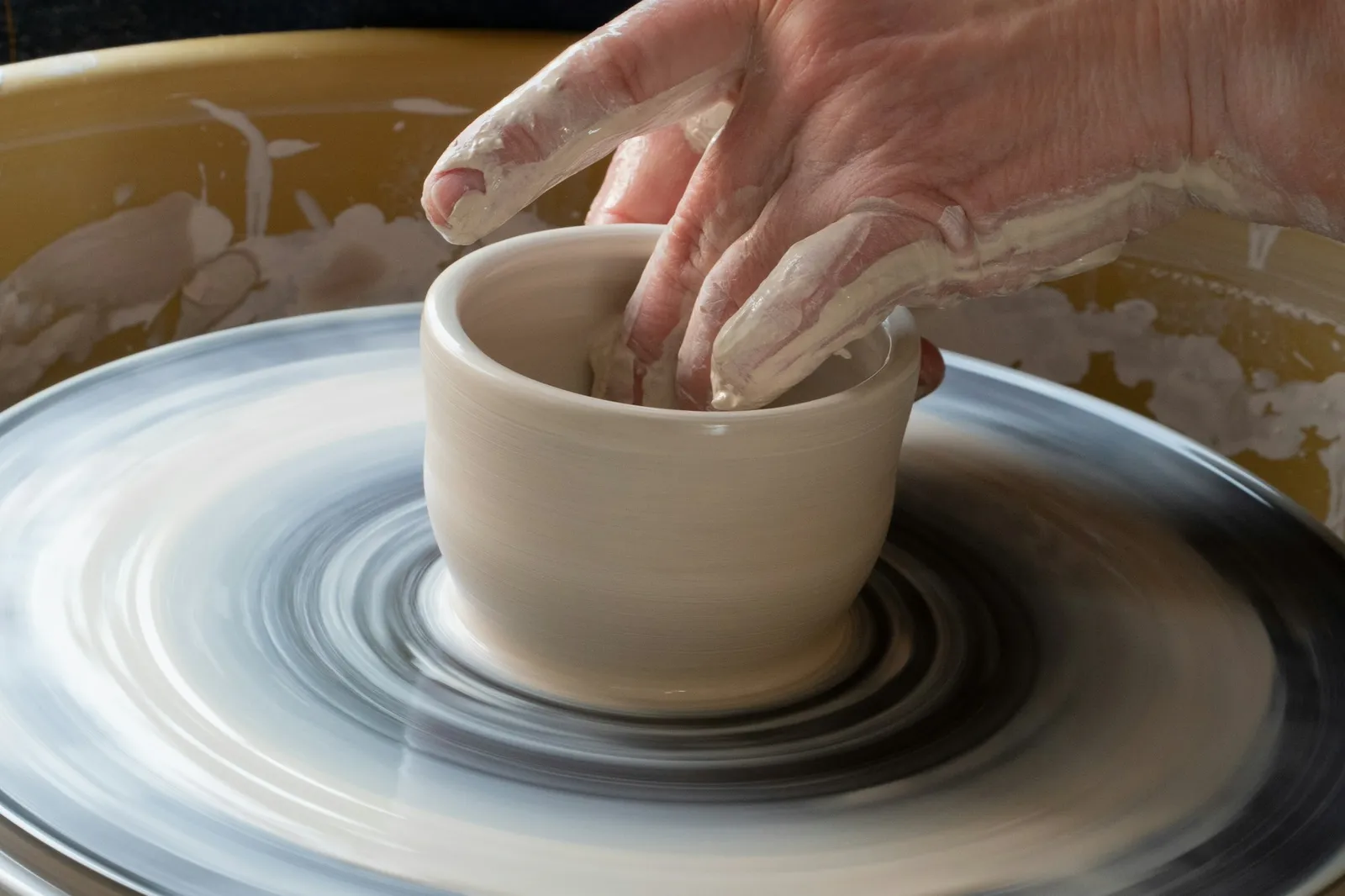 Earl Wilcox
Craft and building
Water, soil, soap, felt and homes: durable, resource-friendly things made with local knowledge.
See the craft examples →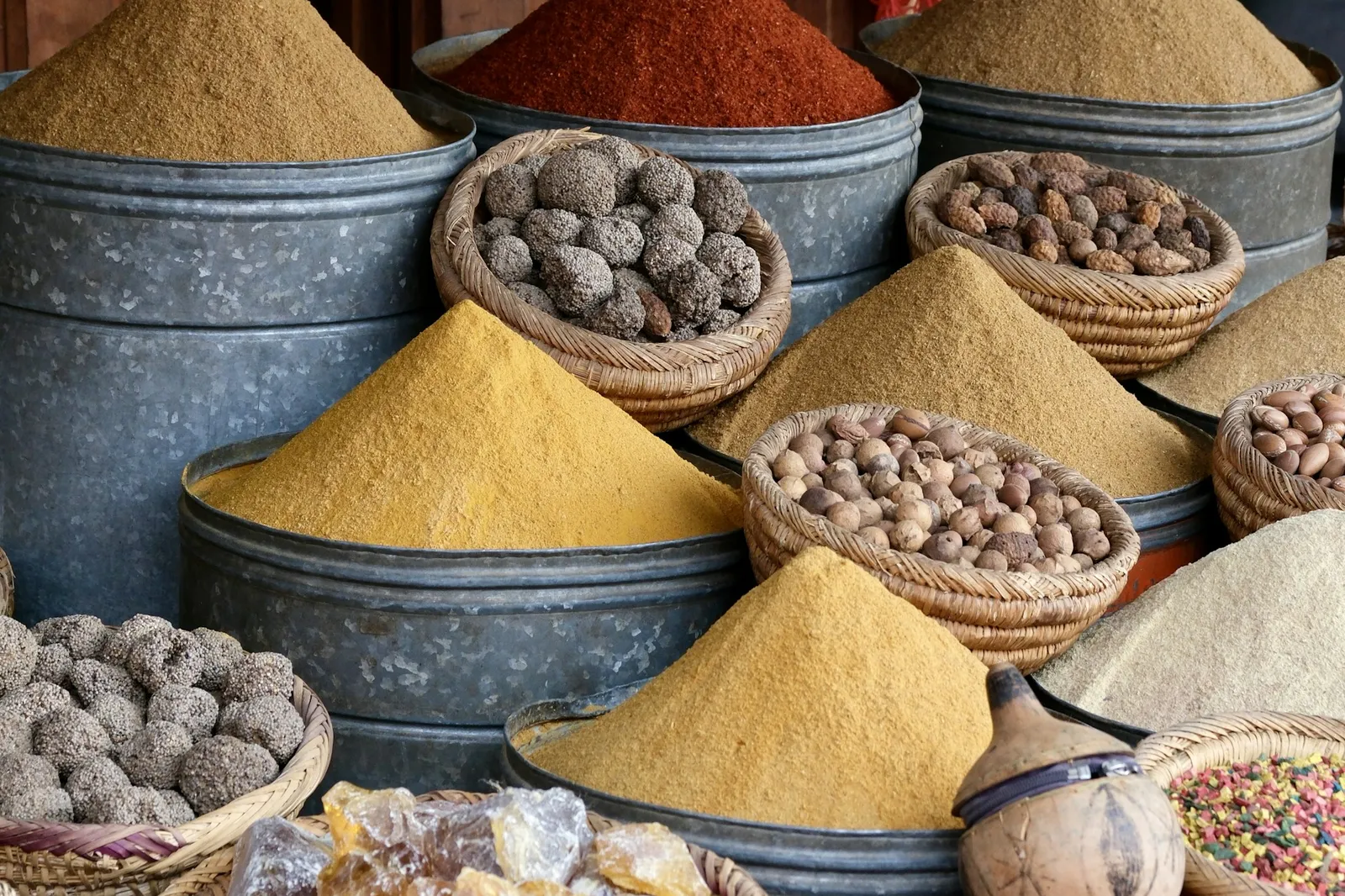 Alessio Roversi
Order and trust
Rules and institutions that built a shared order in the market, among tradespeople and in the city, seen through responsible consumption and care for living things.
See the examples →
Culture is sustained too
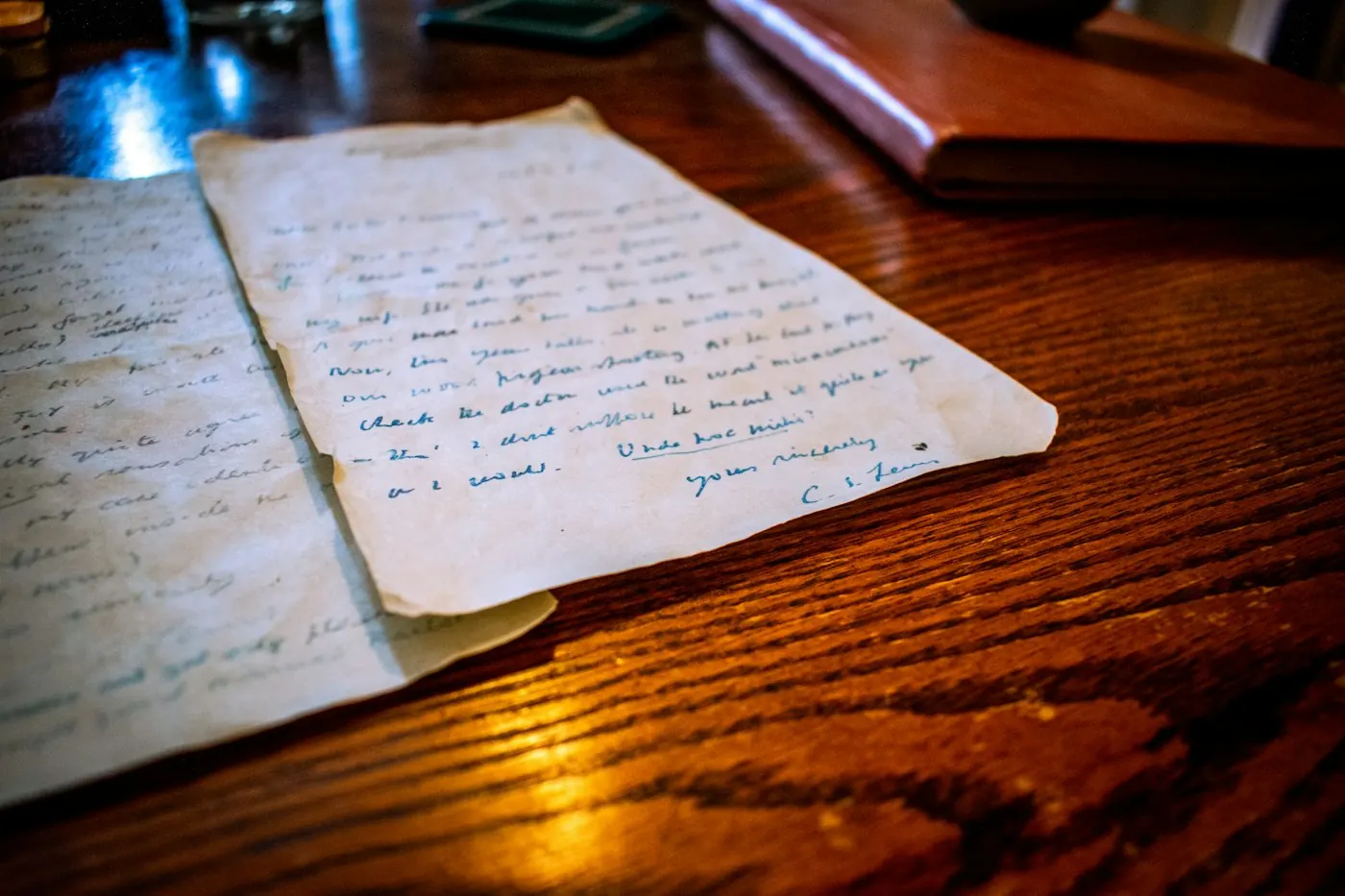
UNESCO's 2003 Convention for the Safeguarding of the Intangible Cultural Heritage describes this heritage as a source of cultural diversity and a guarantee of sustainable development. In other words, old knowledge, rituals and crafts are not just memories; they are a store of know-how that still works today and lasts as long as people keep it alive.
Türkiye's entries on the UNESCO lists include examples of this knowledge: Hıdırellez (a spring festival held on 6 May), knowledge of olive growing, Mesir Macunu (a spiced paste made and shared each spring in Manisa), Turkish coffee culture and tradition, and the culture of making and sharing thin flatbread.
Source
The simplest way to keep it alive is to use it and hand it on:
- Children: ask an elder about a tradition and tell it in a drawing.
- Young people: record what you learn in a short video or a note.
- Families: tell the story of a dish at the table and share it without waste.
- Elders: show a method you know, so it is not lost.
- Schools, clubs and associations: hold a yearly “learning from our elders” day.