

seed
A small package from which a new plant can start.
Ages 6–9
Things you wonder about, with short answers. Start wherever you like.
 Dušan veverkolog
As the Earth travels around the Sun, its axis is slightly tilted. For part of the year, sunlight hits one half of the Earth more directly; it is summer there. At the same time it is winter in the other half.
No. Weather is what is happening outside today: rain, sun, wind. Climate is what is usual in a place over many years.
The leaves take in light and air, and the roots take water from the soil. The tree combines them and makes its own food.
When sunlight hits the tiny particles in the air, blue light scatters in every direction more than other colours. That is why the sky looks blue.
Rain and snow fall, and some of the water flows into streams, lakes and underground. The water in your tap is part of this long journey.
Bees carry pollen as they go from flower to flower. This lets plants make seeds and fruit.
Twelve words, with examples from everyday life.
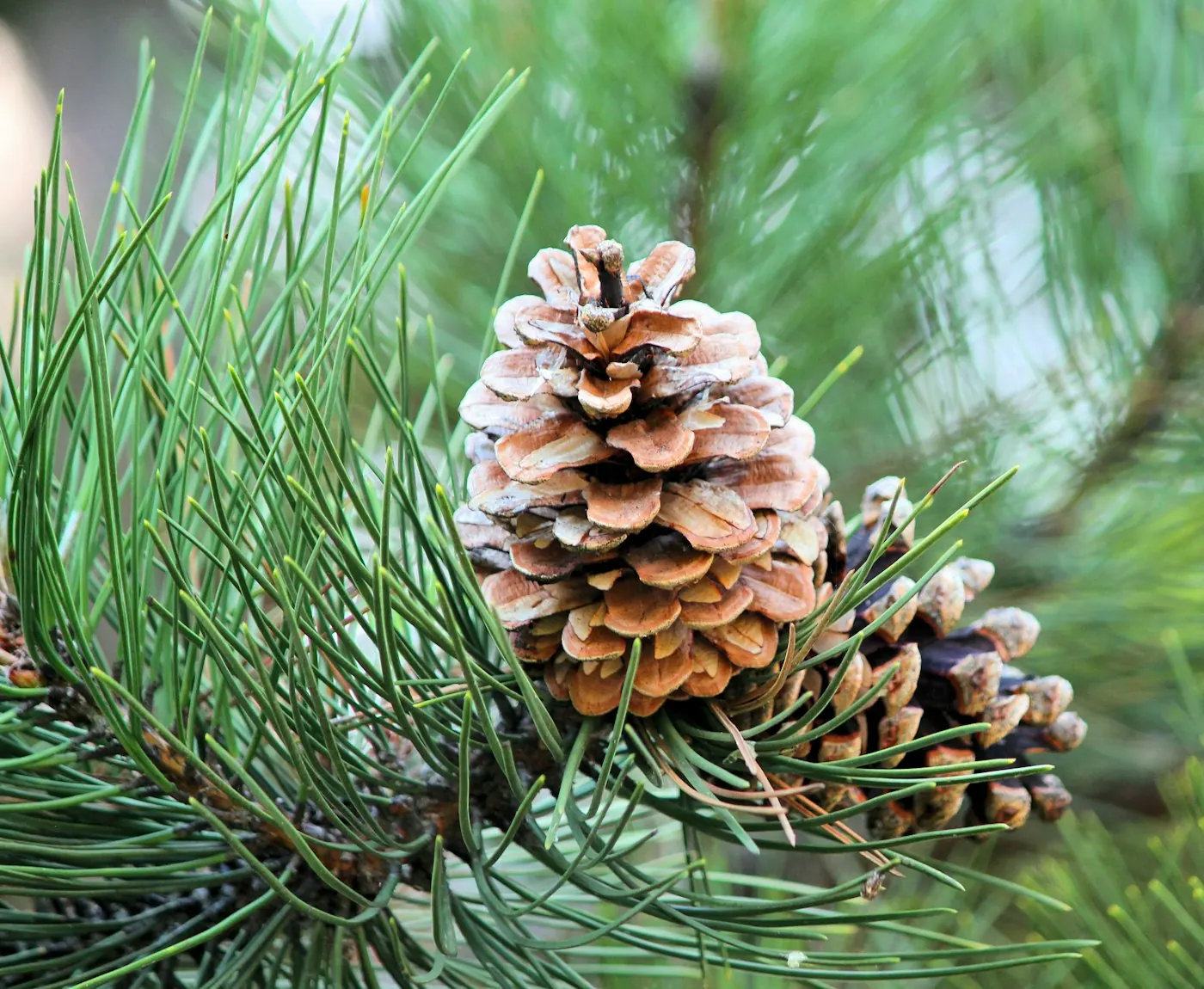
A small package from which a new plant can start.
Where plants anchor their roots and where worms and many living things live.
Something that follows the same path again and again. Water does this: it evaporates, becomes a cloud and falls as rain.
One of the parts of the year: spring, summer, autumn or winter.
What is happening outside today: rain, sun, wind.
What is usual in a place over many years.
Something put aside because it won't be used any more.
Sorting waste and turning it into something new.
The power that turns on lights and runs machines.
Anything that grows, feeds and reproduces.
The home-like place where a living thing lives. For example, a stream or a forest.
Energy from sources that don't run out, like the sun and the wind.
Three tiny stories and four examples from our roots.
A little seed was waiting under the soil. Rain dripped and the soil grew warm. One morning the seed stretched its head up. The daylight said “hello” to it.
Damla, a water drop, was sleeping in a cloud. When the cloud grew heavy, Damla fell with the rain. She swam first in a stream, then in the sea. When the sun warmed her, she rose into the air again.
All summer, Leaf looked at the sun from the branch of a tree. In autumn it turned yellow and floated gently to the ground. The soil held it close. One day that leaf became part of the soil that gives life to a new leaf.
In Yalova, by the sea, there was a huge plane tree. A mansion had been built next to it, and one of the tree's branches touched the roof. Cutting the branch was considered. But the tree was not cut; the mansion was slid about 4.8 metres on rails laid underneath it. The plane tree stayed where it was. From then on the building was called the ‘Walking Mansion’.
Details and source in Our Roots →In Ankara, a piece of land was once thought to be marshy and barren. Years of work turned it into a green farm. Today it is known as Atatürk Forest Farm. It is a story about how a place that looks unproductive can change through effort.
Details and source in Our Roots →In Ottoman times, tiny nests for birds were built on the façades of mosques, inns and houses. Some buildings also had bowls where birds could drink. Some of these nests still stand today.
Details and source in Our Roots →In old cities, fountains and sebils were built so that passers-by could drink water for free. Water was seen as a shared kindness, not something to sell. Istanbul is said to have around a thousand fountains today.
Details and source in Our Roots →Proverbs are a very old way of looking at nature. Their meanings are written briefly next to them; details based on the Turkish Language Association dictionary are in Our Roots.
Small things add up to a big result.
Something that seems useless may come in handy later.
A place that is cared for becomes beautiful; a place that isn't is left to itself.
The care given to nature and our surroundings pays back in time.
Work done together gets lighter.
Lasting work is work that knows its own source.